

The World Economic Forum (WEF), long considered one of the most influential global institutions, finds itself at a historic inflection point following revelations of misconduct by its founder Klaus Schwab. Once a symbol of transnational cooperation and elite dialogue, the WEF is now facing mounting pressure over transparency, leadership accountability, and its overarching influence on national governments.
🔍 Schwab Under Fire: Allegations of Misconduct
An internal investigation launched earlier this year into Klaus Schwab’s conduct revealed a deeply troubling pattern. The report—prompted by whistleblower complaints—uncovered that Schwab fostered a hostile workplace environment marked by inappropriate behavior toward female employees. Allegations included sexist remarks and discriminatory treatment of pregnant staff members and older employees.
More damning was the misuse of WEF funds for personal luxury: international travel bills totaling more than $1.1 million included hotel massages and lavish dinners. Expenses were reportedly routed through junior staff members’ corporate credit cards in what investigators described as “intentionally opaque practices.”
Schwab has denied all allegations, claiming that any financial discrepancies were accidental and promising to reimburse misallocated funds. Yet, his refusal to cooperate further with WEF’s board and his public accusations of betrayal have widened internal fractures.
👥 Leadership Transition and Uncertainty
Following intense scrutiny, Schwab has stepped down from his executive role. Interim leadership is now in the hands of Peter Brabeck-Letmathe, former Nestlé CEO and longtime WEF board member. However, finding a permanent successor poses a challenge. For decades, Schwab’s personal vision of “stakeholder capitalism” formed the bedrock of the WEF’s identity.
With his exit, the Forum faces not just a personnel crisis—but an existential one.
🇳🇱 Dutch Figures in the Spotlight
In the Netherlands, political reactions have been fierce. Prime Minister Mark Rutte, Minister Sigrid Kaag, and Queen Máxima have been linked to WEF initiatives over the years, raising public concerns about democratic accountability.
- Rutte has been a consistent speaker at Davos and signed binding agreements related to food innovation and climate policies.
- Kaag participated in WEF advisory boards and pandemic-related strategy sessions.
- Queen Máxima, in her role as UN advocate for inclusive finance, often speaks at WEF panels—recently drawing criticism for statements on digital identity and vaccine access.
As Dutch politics undergo transition—Rutte has announced his resignation—the video titled “Mooi: Het WEF stort in!” circulating on Dutch social media calls for severing ties with the WEF altogether. Though highly rhetorical in tone, the video’s sentiment reflects broader European unease about opaque decision-making and elite influence.
🌐 The WEF’s Web of Influence
Despite being a non-governmental organization, the WEF has built vast networks of influence through strategic partnerships. Its COVID Action Platform united over 1,200 companies and supported programs like COVAX during the vaccine rollout, in coordination with the World Health Organization (WHO) and United Nations (UN).
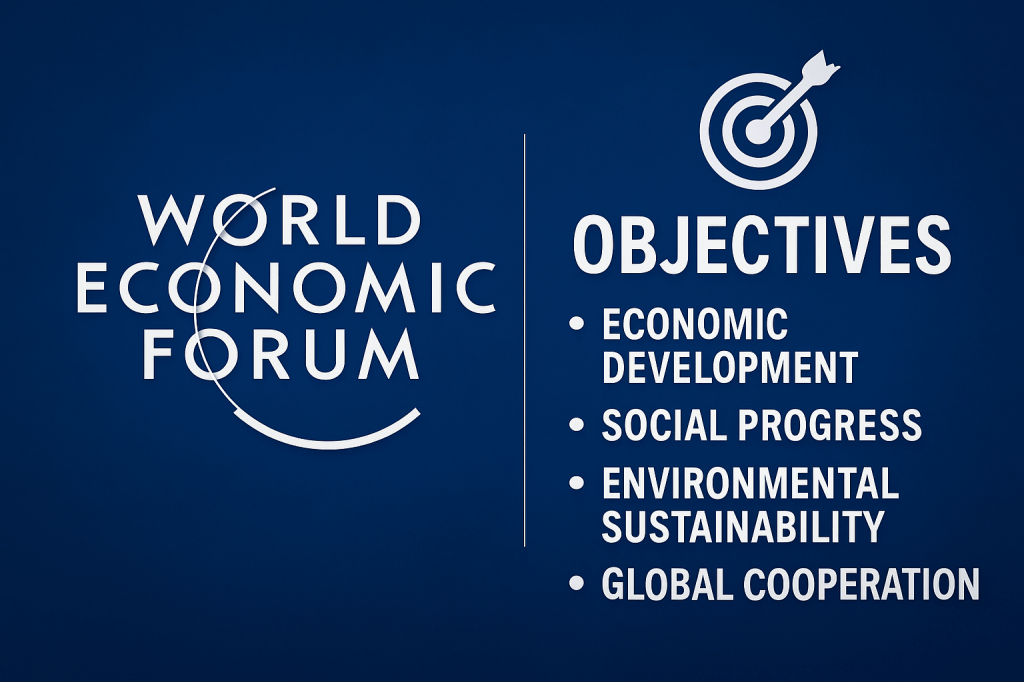
The WEF also maintains a formal partnership with the UN to accelerate the 2030 Sustainable Development Goals (SDGs). As such, WEF priorities—from digital transformation to ESG governance—often echo in international policy and national legislation.
Critics argue this intertwining of public policy and private agendas poses a threat to democratic integrity:
- Decisions made at Davos often lack oversight.
- Corporate stakeholders fund and help shape global initiatives.
- Governments may adopt WEF frameworks without parliamentary debate.
🎯 A Critical Juncture for Global Governance
The scandal around Schwab and questions about accountability have reignited debates over the legitimacy of global forums. Can institutions like the WEF claim neutrality when they operate in private yet influence public governance? Is a reboot possible, or is the era of elite-driven policy-making nearing its end?
While the WEF is unlikely to collapse outright, its relevance depends on real reform:
- Increased transparency about projects and funding.
- Broader stakeholder inclusion beyond CEOs and government elites.
- Clear boundaries between influence and authority.
🧭 What’s Next?
The final report on Schwab’s conduct is expected in late August and may prompt action from Swiss prosecutors. Meanwhile, Brabeck-Letmathe and the WEF board face the dual challenge of restoring credibility while reimagining leadership for a post-Schwab era.
As for its global impact, the WEF’s institutional infrastructure remains strong. Yet, its reputation as a trusted convener of world leaders hangs in the balance.

 Dutch Echo
Leave a comment