
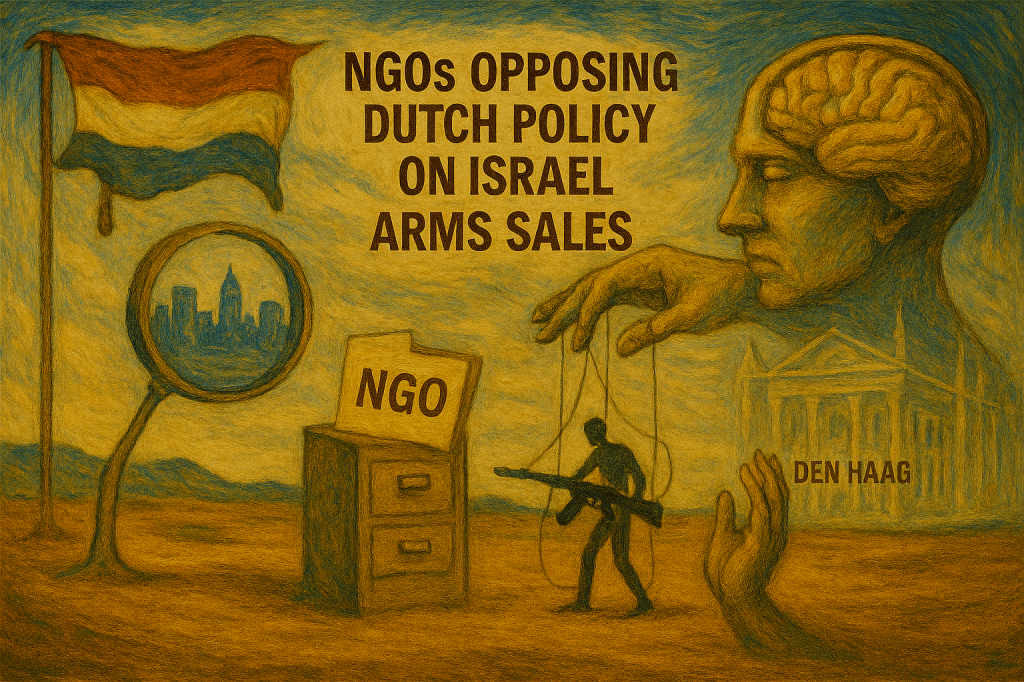
Rotterdam knows resistance. From punk squats in Delfshaven to climate marches on the Erasmusbrug, this city has always had a pulse for protest. But lately, something deeper is stirring — a quiet rage, a moral reckoning. It’s not just about housing, climate, or student debt anymore. It’s about genocide. And whether our government is complicit.
In December 2024, a coalition of Dutch human rights organizations took the State to court. Their demand? Stop exporting weapons to Israel. Stop enabling the destruction of Gaza. Stop pretending neutrality while fueling war.
The court said no.
And now, the question echoing through Rotterdam’s cafes, classrooms, and community centers is: If the government won’t listen to its people, who will?
⚖️ The Lawsuit That Shook The Hague
Let’s break it down.
Advertisement
Ten NGOs — including PAX, Oxfam Novib, The Rights Forum, and Al-Haq — filed a lawsuit against the Dutch government. Their claim? That the Netherlands is violating international law by continuing to export military equipment to Israel, despite mounting evidence of war crimes in Gaza.
They cited the Genocide Convention of 1948, arguing that the Netherlands has a legal obligation to prevent genocide. They pointed to the International Court of Justice’s ruling in early 2024, which stated that it’s “plausible” that Palestinians in Gaza are being subjected to genocidal acts.
The Dutch court rejected the claim. It said the government has “policy discretion” and that the risk of genocide wasn’t clear enough to warrant a ban.
Translation? The court won’t interfere with foreign policy — even if that policy might be enabling mass death.
🧠 Who Are These NGOs, Really?
Let’s be real. The term “NGO” sounds dry. Bureaucratic. But these groups are anything but.
- PAX is a peace organization born from post-WWII Catholic activism. Today, it’s secular, bold, and deeply embedded in anti-war movements.
- Oxfam Novib fights poverty and injustice globally, with roots in Dutch internationalism.
- The Rights Forum, founded by former Prime Minister Dries van Agt, focuses on human rights in Israel/Palestine.
- Stop Wapenhandel is a grassroots watchdog exposing the arms trade.
- Al-Haq, based in Ramallah, is one of the most respected Palestinian legal advocacy groups in the world.
These aren’t fringe activists. They’re legal experts, policy analysts, and community organizers. And they’re doing what many voters wish politicians would: holding power accountable.
💸 Who’s Really Pulling the Strings?
Here’s where things get murky.
While NGOs fight for justice, pro-Israel lobby groups are working behind the scenes to maintain the status quo. In the Netherlands, the Centrum Informatie en Documentatie Israël (CIDI) plays a key role. They brief MPs, organize trips to Israel, and push back against criticism of Israeli policy.
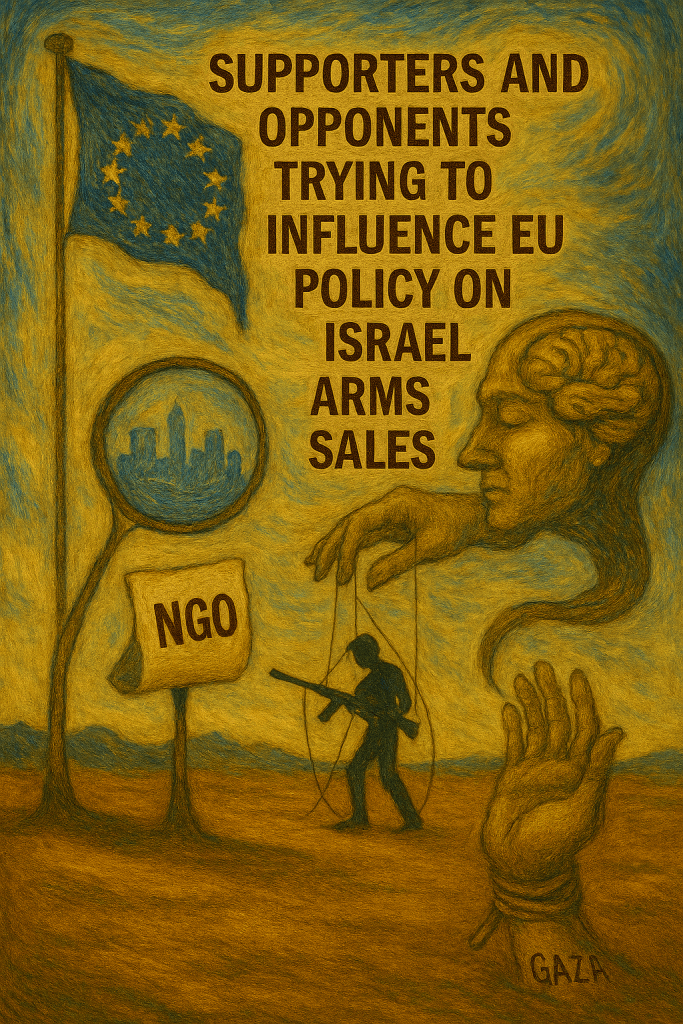
In Brussels, it’s even more intense. Groups like the AJC Transatlantic Institute, European Coalition for Israel, and ELNET lobby EU officials to block sanctions, discredit Palestinian NGOs, and frame criticism of Israel as antisemitism.
These organizations are well-funded, well-connected, and often backed by U.S. donors and political networks. They operate like corporate lobbyists — but with a geopolitical twist.
So while Dutch NGOs rely on donations and modest government grants, their opponents have access to millions in private capital and direct lines to power.
🗳️ Democracy or Theatre?
Here’s the kicker.
In a recent poll, 58% of Dutch citizens said they want the government to be more critical of Israel. Only 12% want closer ties.
Yet the government continues to approve arms exports, host Israeli officials, and avoid strong condemnation of the war in Gaza.
So what gives?
The truth is, elections don’t equal influence. Once the votes are counted, policy gets shaped by lobbyists, diplomats, and corporate interests. The voice of the people becomes background noise.
And that’s where NGOs come in. They’re not undermining democracy — they’re filling the gap left by a political system that’s too slow, too cautious, or too compromised to act.
🧭 Rotterdam’s Role in All This
Rotterdam isn’t just watching from the sidelines.
The city is home to activists, artists, and academics who are pushing back. From teach-ins at Erasmus University to street art in Crooswijk, the message is clear: Silence is complicity.
Local groups have organized protests, film screenings, and solidarity events with Gaza. Some are calling for Rotterdam to become a “sanctuary city” — refusing cooperation with arms companies and demanding transparency from the Port Authority.
And let’s not forget: Rotterdam is a global port. What passes through its docks matters. If weapons or components destined for conflict zones are shipped from here, we’re part of the story.
🧠 So What Can We Do?
If you’re reading this and feeling overwhelmed, you’re not alone. But here’s the thing: awareness is power. And action doesn’t have to be dramatic.
Here are five things you can do today:
- Educate yourself — Follow NGOs like PAX and The Rights Forum. Read their reports. Watch their briefings.
- Talk about it — Bring it up at dinner, in class, at work. Normalize moral conversations.
- Support grassroots media — Platforms like Dutch Echo amplify voices that mainstream outlets ignore.
- Pressure your reps — Email your MP. Ask where they stand. Demand accountability.
- Show up — Attend protests, donate, volunteer. Be visible.
🧨 Final Thought: This Is Bigger Than Gaza
This isn’t just about one conflict. It’s about what kind of country we want to be.
Do we want a Netherlands that hides behind legal technicalities while children die in rubble? Or one that stands up — even when it’s inconvenient?
Do we want a democracy that listens to its people? Or one that bends to the will of lobbyists?
Rotterdam has always been a city of builders. Let’s build something better. Let’s make justice louder than money.
Because if we don’t, who will?
 Dutch Echo
Leave a comment