
In a time when many traditions are pressured by digitalization and globalization, Sint-Maarten remains one of those festive occasions that returns annually to countless towns and villages across the Netherlands. But what does this tradition mean in the Dutch context? Is it a Catholic “private affair” with religious overtones, and have the customs existed for a long time, or has it become a modern, secular event? A clear view helps explain how the rituals started, what they mean today, and how they vary by region.
A brief historical context
Sint-Maarten refers to Saint Martin of Tours, a 4th-century Roman Catholic bishop who lived in that era. The best-known legend around him tells of how he shared his cloak with a beggar during a cold day. That event became, in the Middle Ages, a symbol of sharing and kindness—values central to many Christian traditions. Traditionally, November 11 was observed as a holy day to honor Saint Martin in parts of Europe.
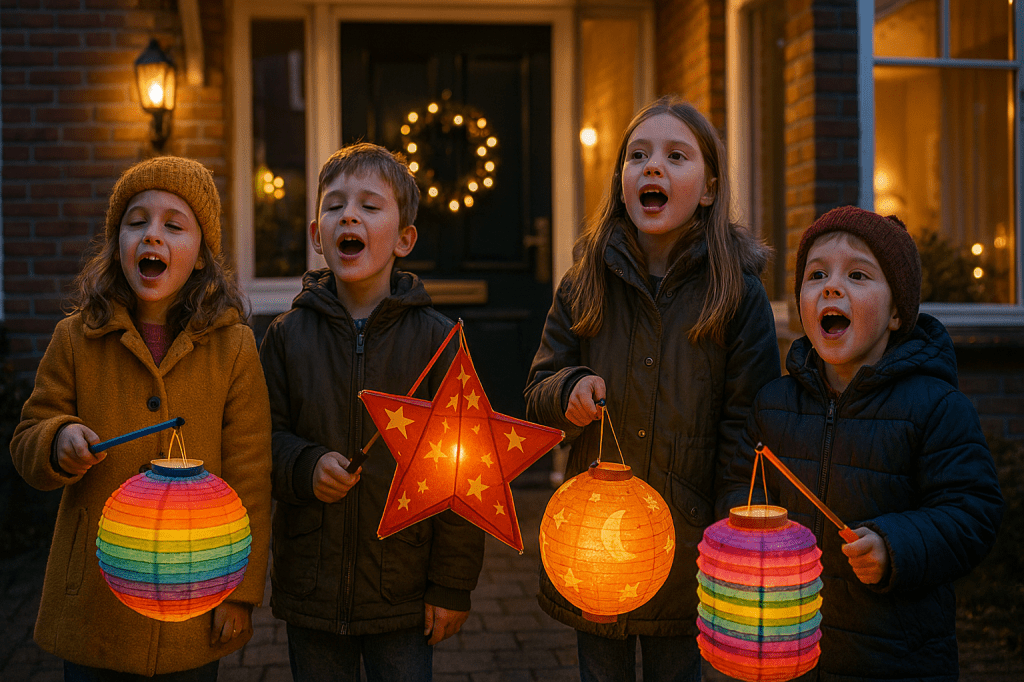
In France, Belgium, parts of Germany, and of course the Netherlands, a regional tradition around light and storytelling developed over the centuries. It emerged as a child-centered celebration in which lanterns (lampions) played a central role. Children would walk through streets with their homemade lanterns, listen to stories or songs, and often receive sweets or small treats. The combination of light, storytelling, and giving quickly became a recognizable feature of the Dutch experience.
In the Netherlands, the celebration took on a distinctly modern shape mainly in the 19th and 20th centuries. Schools, churches, and neighborhoods began organizing lantern parades as an educational and social activity. The story of Saint Martin was used to teach children values such as sharing, empathy, and solidarity. The event gained a strong pedagogical focus during this period, aligning with ideas of charity and social responsibility that appear in school curricula and community work.
Religious versus secular dimensions
Today’s practice in the Netherlands shows a clear shift from a religious-ritual event to a broader, often secular celebration. Key points:
- Origins remain religiously inspired: The story of Saint Martin and the cloak-sharing remain present in some church congregations and liturgical celebrations. For some families and parishes, the religious foundation is still important.
- Broad societal engagement: Schools, community centers, associations, and local governments have embraced Sint-Maarten as a moment for community, education, and solidarity. It’s less about religious formalities and more about human values like sharing and kindness.
- Regional variation in celebration: Not every municipality celebrates in the same way. Some places host large parades with hundreds of participants, others opt for small-scale gatherings, story evenings, or lantern-making sessions.
- Safety and accessibility: In today’s practice, safety, education, and inclusivity are emphasized. Organizers increasingly address visibility in the dark and inclusive activities for children from diverse backgrounds.
Regional variations: where and how it’s celebrated?
The Netherlands offers a rich palette of local traditions around Sint-Maarten. The form and scale can differ significantly by province, city, and village.
- North Holland and South Holland: In busy urban areas, parades can take center stage, often organized by schools or churches. A hallmark is the combination of music, stories, and lanterns lighting the route on dark November evenings.
- Utrecht and Gelderland: In many municipalities, the emphasis is on community spaces like community centers where children make lanterns, sing songs, and hear short tales. Sometimes local stories or legends are used to connect with the region’s history.
- North Brabant and Limburg: Here, the tradition can stay closer to its old religious roots, while secular influences are also present. Some villages feature local parades that blend with other seasonal festivities.
- Friesland and Groningen: Across these regions, there are initiatives that combine children’s play with tradition, with local dialects and culture reflected in stories.
- Small villages vs. big cities: In small villages, Sint-Maarten often remains an intimate affair with a cozy parade and a local tale, while cities may add elements like a brief gathering at a church, a communal meal, or a neighborhood festival.
What typically happens on November 11?
While exact dates and times can vary, there are several recurring elements that most celebrations share:
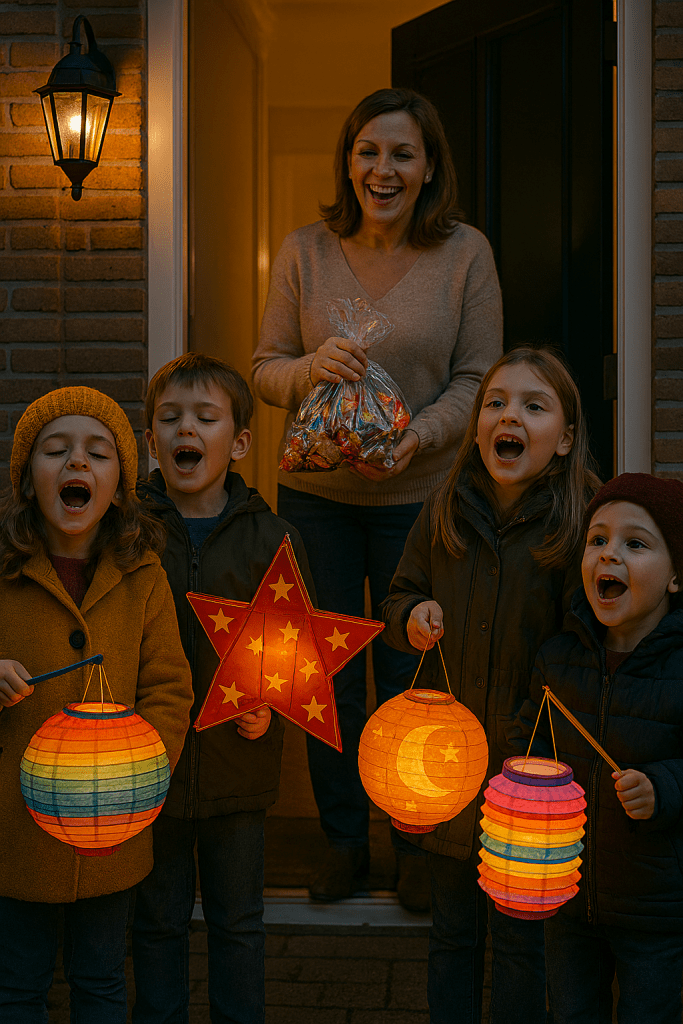
- Lantern parade: Children carry colorful lanterns and walk through the streets. This remains the iconic face of the celebration.
- Stories and songs: A storyteller or presenter gives a short tale about Saint Martin, followed by songs such as “Sinte Maarten” or other traditional children’s songs.
- Giving and sharing: A component of the story returns in practice: children may distribute sweets or small treats, though this often happens in a controlled setting to ensure safety.
- Clothing and safety: Warm clothing, reflective accessories, and sometimes LED lights are standard to improve visibility in the evening.
- Small charitable gestures: In some municipalities there is an emphasis on charity, with money or food collected for local good causes.
Is this a Catholic private affair?
Short answer: no. The Sint-Maarten tradition in the Netherlands is not exclusive to Catholicism. It has Christian roots, notably the cloak-sharing story, but over the years the celebration has become much broader. Schools, churches of various denominations, neighborhood communities, and municipalities participate from a cultural-educational stance. It is a community moment focused on sharing and humanity, rather than a specific ritual within one religious tradition.
- Would you like to emphasize what the religious link means in your area? In some churches, parental involvement and participation by families from particular denominations may be larger, while in other areas the celebration is primarily a social-cultural phenomenon.
Since when does this tradition exist?
- Origin of the story: Saint Martin himself lived in the 4th century in Tours. The cloak-sharing legend was popularized in the Middle Ages, leading to the association with sharing and kindness.
- European pattern: The November 11 celebration spread through parts of Europe as a tradition around Saint Martin, rooted in folk practice, mutual aid, and youth activities.
- Dutch development: In the 19th and 20th centuries, it gained traction as a child-friendly event. Schools and churches played a crucial role in shaping lantern parades, songs, and the idea of giving to others.
- Contemporary framing: Today, in many places it is a secular, educational event centered on solidarity and solidarity, while religious components remain present in some communities.
Practical questions and how to participate
- Curious about what it will look like in your municipality this year? Consider the following steps:
- Check the municipal website, the municipality’s social channels, or the local neighborhood platform for the date, route, and times.
- Consult local churches, schools, and community centers; they typically provide the best information about registration, start points, and any publicly accessible gatherings.
- Look at safety guidelines: some parades have specific rules for child safety, firework or lantern safety, and traffic measures.
- Make or buy a lantern: cardboard, translucent colored material, LED light, etc. There are ready-made lantern kits at shops and schools.
- Consider warmth and visibility: warm clothing and reflective elements ensure comfort and safety in the evening.
A closing word: more than a lantern
Sint-Maarten in the Netherlands is more than just a cultural event with lanterns and songs. It is a moment for communities to come together around a simple but powerful message: sharing makes us stronger. Whether you are religiously connected or not, the practice invites empathy and connection with others. It bridges tradition and contemporary societal values: humanity, solidarity with those less fortunate, and attention to neighbors in the street.
 Dutch Echo
Leave a comment